Molecular hydrogen has gone from niche wellness talk to a serious health-tech conversation, and there are real reasons why. In this post, I’ll break down what’s driving the attention, where the opportunity is, and what buyers should watch for before taking the hype at face value.
Answer Section
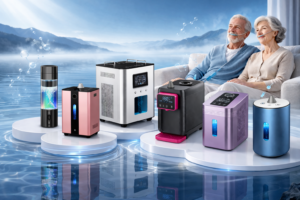
Molecular hydrogen is attracting attention in health technology because it sits at the intersection of two strong trends: rising consumer demand for advanced wellness devices and growing interest in non-invasive, home-based health solutions. Early research suggests potential in areas linked to oxidative stress and inflammation, while the broader wellness and digital-health markets are pushing more innovation into hydrogen inhalers, hydrogen water bottles, and other hydrogen-based devices.
Read On
That’s the big-picture answer. But the real story is a lot more interesting, because this isn’t just about science or just about market demand. It’s about what happens when consumer wellness, device innovation, and practical home use all crash into each other at the same time.
Why Molecular Hydrogen Is Getting So Much Attention
Let me put it simply: molecular hydrogen is attracting attention because it checks a lot of boxes that modern health technology loves.

First, people’s expectations have changed. A basic “wellness gadget” doesn’t impress anyone anymore. Buyers want devices that feel smart, science-backed, convenient, and modern. That shift is happening across the broader health-tech space, where WHO continues to frame digital health and innovation as part of improving health and well-being through practical technologies.
Second, the wellness market itself is huge and still growing. The Global Wellness Institute says the global wellness economy reached $6.3 trillion in 2023 and has been growing faster than global GDP in recent years. That matters because products like hydrogen inhalers, hydrogen water bottles, and hydrogen spa devices are not entering a tiny experimental corner of the market. They’re landing in a giant wellness ecosystem that already rewards innovation, prevention, and everyday health routines.
Third, hydrogen has a story that sounds very attractive to both consumers and product developers: it is small, simple, non-invasive, and relatively easy to build into home-use formats. You don’t need a clinic visit to use a hydrogen water bottle. You don’t need a major lifestyle overhaul to try a hydrogen inhaler. That low-friction adoption model is a big deal in health tech.
And then there’s the science angle. Reviews of human studies suggest molecular hydrogen has been investigated across dozens of clinical settings, mainly because researchers are interested in its possible links to oxidative stress, inflammation, and cellular signaling. That does not mean every claim made online is proven. But it does explain why engineers, wellness brands, and health-device manufacturers keep paying attention.
The Core Reason: People Want Smarter Wellness Devices
A few years ago, a lot of consumers were happy with simple wellness products. Now the mood is different.
People want health devices that feel more advanced. They want products that look like they belong in a modern lifestyle, not in the back corner of a dusty pharmacy shelf. That’s part design, part convenience, and part psychology. Buyers are increasingly drawn to products that feel like a blend of wellness and technology.
That’s one of the biggest reasons molecular hydrogen devices are drawing attention. They fit the “next-generation wellness” mindset really well.
Think about the categories:
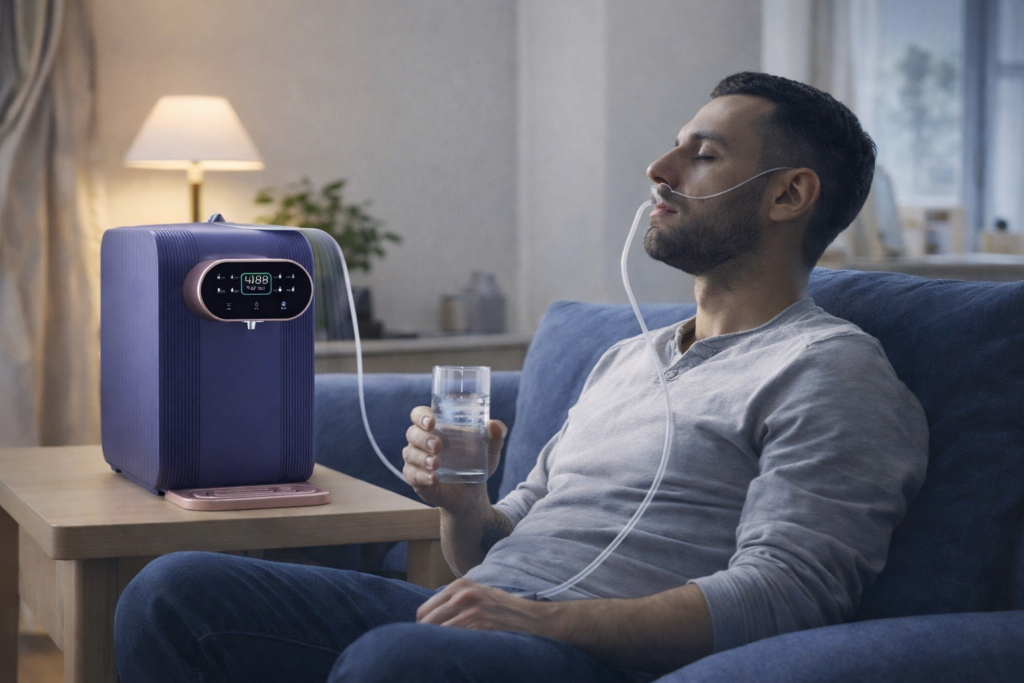
Hydrogen inhalers
These appeal to users who want a more direct device-based experience. They also fit the larger trend toward home respiratory and therapeutic equipment, a market that continues to expand as consumers and providers look for more advanced breathing-related solutions. Fortune Business Insights estimates the respiratory devices market was worth $25.33 billion in 2024 and projects continued growth through 2032.
Hydrogen water bottles
These are probably the easiest entry point for mainstream consumers. They combine portability, routine use, and a very familiar behavior: drinking water. That makes them less intimidating than many specialized health devices.
Hydrogen spa devices
These appeal to the recovery, beauty, and premium-wellness crowd. And let’s be honest, a lot of health-tech purchases are not purely clinical decisions. They’re lifestyle decisions wearing a lab coat.
That’s why hydrogen is interesting from a product strategy perspective. It can live in several formats without losing its identity.
The Science Is Interesting, but Buyers Should Stay Grounded
This is where the conversation needs a little adult supervision.
Molecular hydrogen gets attention partly because researchers have explored its potential biological activity in human studies. A recent review summarized 81 clinical trials and 64 published human-study articles, which shows this is not an empty field with zero research behind it.
That said, “being studied” is not the same as “fully proven for everything people want it to do.”
And that distinction matters a lot.
A smart reader should understand three things:
1. Early interest is real
There is genuine scientific interest in hydrogen, especially around oxidative stress and inflammation-related mechanisms. That’s one reason it continues to show up in research reviews and medical discussion. (PMC)
2. Evidence quality still varies
Some use cases are backed by small trials, pilot studies, or emerging data. That means the field is promising, but it also means buyers should be cautious about oversized claims.
3. Product quality can shape outcomes
Even if the mechanism is meaningful, the device still has to do its job properly. Hydrogen concentration, stability, delivery method, materials, and safety controls all matter. A bad device can make a good concept look useless.
So yes, molecular hydrogen is attracting attention for scientific reasons. But smart companies and smart buyers both know this is a category where credibility matters more than buzzwords.
Why Market Demand Is Pushing Hydrogen Health Devices Forward
The second big force here is simple: demand.

Consumers are spending more on wellness, more on prevention, and more on home-use solutions. The Global Wellness Institute’s data shows just how large that macro trend has become, with wellness spending spread across personal care, physical activity, nutrition, mental wellness, and personalized medicine-related sectors.
That broader demand helps hydrogen devices in several ways.
First, it lowers the barrier for category adoption. When consumers are already comfortable buying premium water devices, wearables, air purifiers, recovery tools, and personal care tech, a hydrogen device doesn’t feel wildly unfamiliar.
Second, it supports product diversification. A manufacturer is not locked into one single hydrogen format. The same market can support inhalation devices, portable bottles, and spa-related solutions.
Third, it encourages international manufacturing growth. In practice, demand is not coming from one narrow geography. Wellness and home health technology are global categories now.
For a professional manufacturer in this space, this matters. If you’ve spent years producing hydrogen inhalers, hydrogen water bottles, and hydrogen spa devices, you’re not just making products anymore. You’re participating in a category that is being shaped by long-term consumer behavior: more prevention, more home use, more technology, and more interest in daily wellness rituals.
What Smart Buyers Should Look for Before Choosing a Hydrogen Device
This is the part I think readers really need, because attention is one thing. Good decision-making is another.

If you’re evaluating a molecular hydrogen device, here’s what I’d focus on.
Check the intended use
Is the product positioned as a wellness device, a lifestyle product, or something making medical-style promises? This matters because regulators like the FDA distinguish low-risk general wellness products from products that claim to diagnose, treat, cure, or prevent disease.
That means buyers should be careful when a company sounds a little too dramatic. “Supports wellness” is one thing. “Treats major disease X by itself” is a very different animal.
Look at the delivery format
Different users want different experiences. Some prefer inhalation. Others want water-based use. Others care about beauty, recovery, or spa applications. The best format is not automatically the most expensive one. It’s the one that fits real usage habits.
Ask about manufacturing quality
This one gets ignored way too often. Ask about production experience, quality control, testing standards, electrode materials, hydrogen output stability, and after-sales support. In this category, manufacturing competence is not a side note. It’s the whole show.
Be skeptical of miracle language
Any company that sounds like it has solved every human problem with one machine probably has not. Shocking, I know.
The strongest brands usually explain benefits clearly, avoid exaggerated disease claims, and are willing to discuss limitations.
Why This Category May Keep Growing
I don’t think molecular hydrogen is attracting attention by accident. It’s happening because the category sits in a very useful sweet spot.
It speaks to consumers who want better wellness tools.
It gives manufacturers room to innovate across multiple device types.
It aligns with the larger movement toward home-based, technology-enabled health routines.
And it benefits from ongoing scientific curiosity, even though the category still needs careful interpretation and honest communication.
That combination is powerful.
From where I sit, the real opportunity is not in hyping hydrogen as magic. It’s in building practical, reliable products that fit how people actually live: at home, on the go, and with higher expectations than ever before.
If a brand can combine sound manufacturing, responsible messaging, and user-friendly design, molecular hydrogen health technology has a very real chance to keep moving from niche curiosity into a more established wellness-device category.
And honestly, that’s usually how health tech grows in the real world. Not with one giant cinematic breakthrough. More like a steady shift where science, demand, and useful product design finally start pulling in the same direction.