
LEAD IN
If you’ve ever searched for hydrogen therapy equipment, you probably noticed something confusing right away: the prices are all over the place. One machine might cost a few hundred dollars, while another looks almost identical but costs several thousand.
In this guide, I’ll walk you through exactly why hydrogen therapy equipment prices vary so much, what technologies are behind those differences, and how you can decide which option actually makes sense for your situation.
ANSWER SECTION
Hydrogen therapy equipment prices vary widely because machines use two very different electrolysis technologies. Low-cost models typically use alkaline electrolysis, which mixes hydrogen and oxygen gas, requires alkaline solution, has lower purity, shorter lifespan, and higher maintenance. Higher-end machines use PEM (Proton Exchange Membrane) electrolysis, producing separated hydrogen at up to 99.999% purity, offering better safety, longer lifespan, and lower long-term cost.
READ ON
So if you’re wondering whether the cheaper machine is a bargain or a hidden headache, you’re asking the right question.
Let’s break this down step by step so you can understand what you’re actually paying for when buying hydrogen therapy equipment.
What Actually Causes Hydrogen Therapy Equipment Prices To Vary?
At first glance, hydrogen therapy machines can look surprisingly similar. A box, a water tank, a tube, maybe a display screen. Nothing that obviously explains why one costs $500 and another costs $3,000.
But the real difference is hidden inside the machine, specifically in the electrolysis technology used to generate hydrogen.
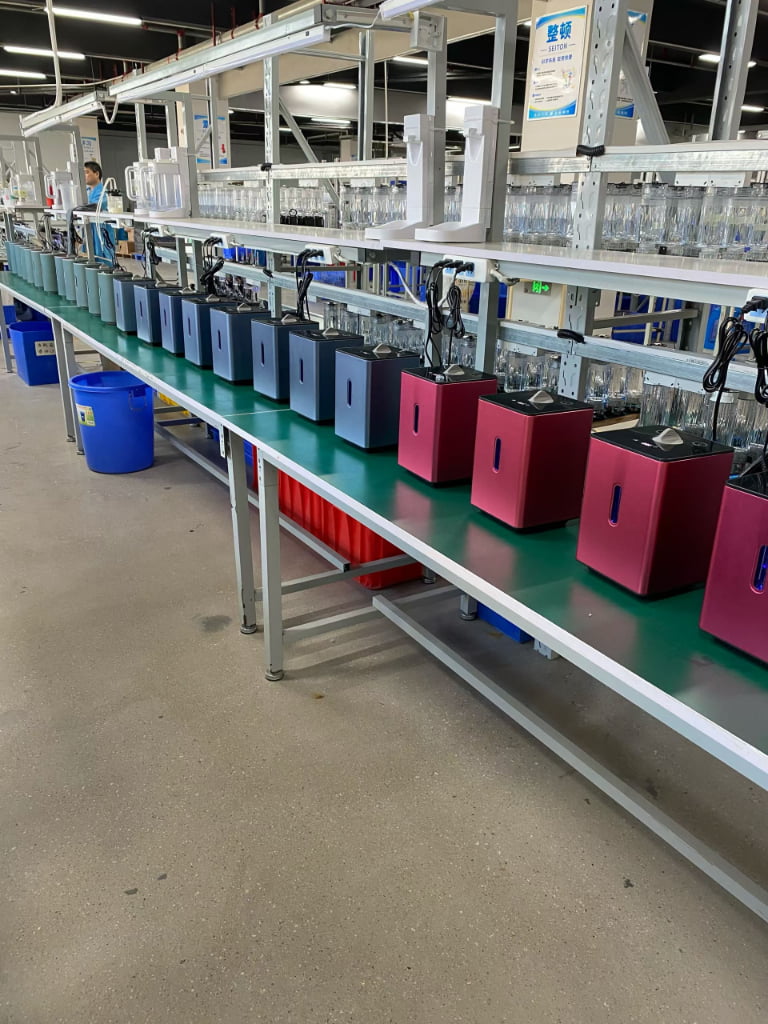
In most cases, hydrogen therapy equipment falls into two main categories:
- Alkaline Electrolysis Machines (Low-cost models)
- PEM Electrolysis Machines (High-end models)
These two technologies work very differently. And once you understand how they work, the price difference starts to make a lot more sense.
Let’s start with the cheaper option.
Low-Cost Hydrogen Machines: Alkaline Electrolys
Most low-price hydrogen therapy machines on the market use alkaline electrolysis technology.
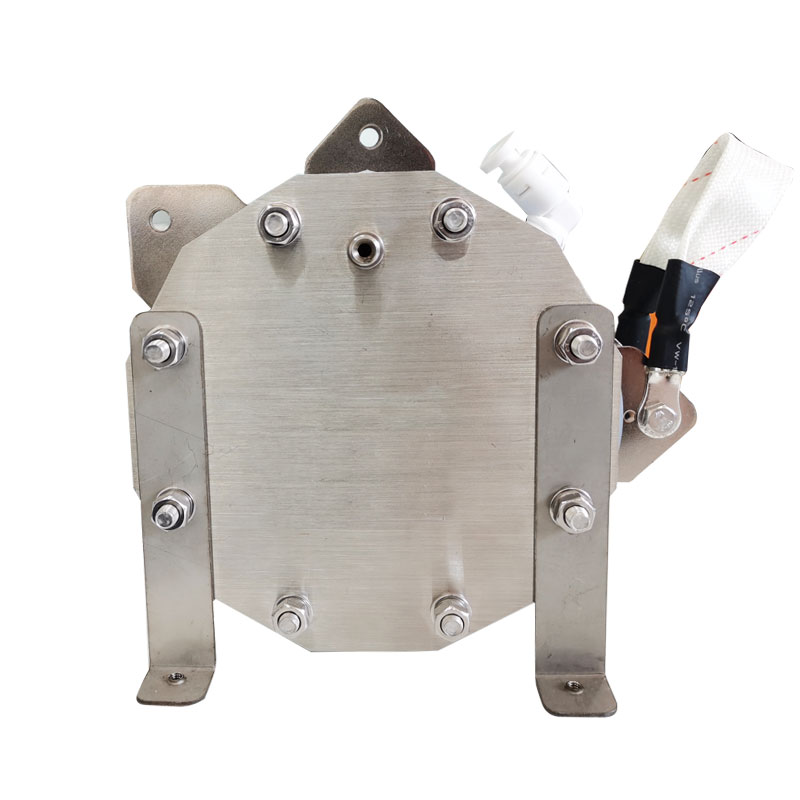
This technology has been around for a long time. It’s relatively simple and inexpensive to manufacture, which is why many entry-level devices use it.
Here’s how it works.
Instead of using pure water alone, alkaline electrolysis requires adding an alkaline electrolyte, usually potassium hydroxide (KOH) or sodium hydroxide.
This electrolyte helps the electrolysis process split water into hydrogen and oxygen gas.
Sounds fine in theory. But there are some important limitations.
Hydrogen and Oxygen Are Not Fully Separated
One of the biggest issues is that hydrogen and oxygen gases are not completely separated in these systems.
This means the output gas is often a hydrogen-oxygen mixture, sometimes called HHO gas.
That mixture has several drawbacks:
- Lower hydrogen purity
- Reduced efficiency
- Potential safety concerns if not managed properly
For wellness or therapy equipment, gas purity matters.
Hydrogen Purity Is Lower
Because hydrogen and oxygen are mixed, alkaline systems typically produce lower-purity hydrogen gas.
Compared with PEM systems, the hydrogen purity may be significantly lower.
This doesn’t necessarily mean the machine “doesn’t work,” but it does mean the output quality is different.
And that affects both performance and safety design.
Maintenance Is Required
Another thing many buyers don’t realize is that alkaline systems require regular maintenance.
Since the machine uses alkaline electrolyte solution, the system may need:
- Periodic electrolyte replacement
- Internal cleaning
- Component inspection
Over time, the alkaline solution can cause wear on components inside the machine.
So while the upfront price is lower, the maintenance requirement is higher.
Shorter Lifespan
Most alkaline electrolysis hydrogen machines also have shorter operational lifespans.
Depending on usage conditions and manufacturing quality, these machines may require significant maintenance, repair, or replacement within 1–2 years.
That’s not always obvious when you’re comparing price tags online.
The cheaper machine might save money upfront but could require:
- major maintenance
- component replacement
- or complete machine replacement
within a relatively short time.
High-End Hydrogen Machines: PEM Electrolysis
Now let’s talk about the technology used in higher-end hydrogen therapy equipment.
These machines typically use PEM electrolysis, which stands for Proton Exchange Membrane electrolysis.
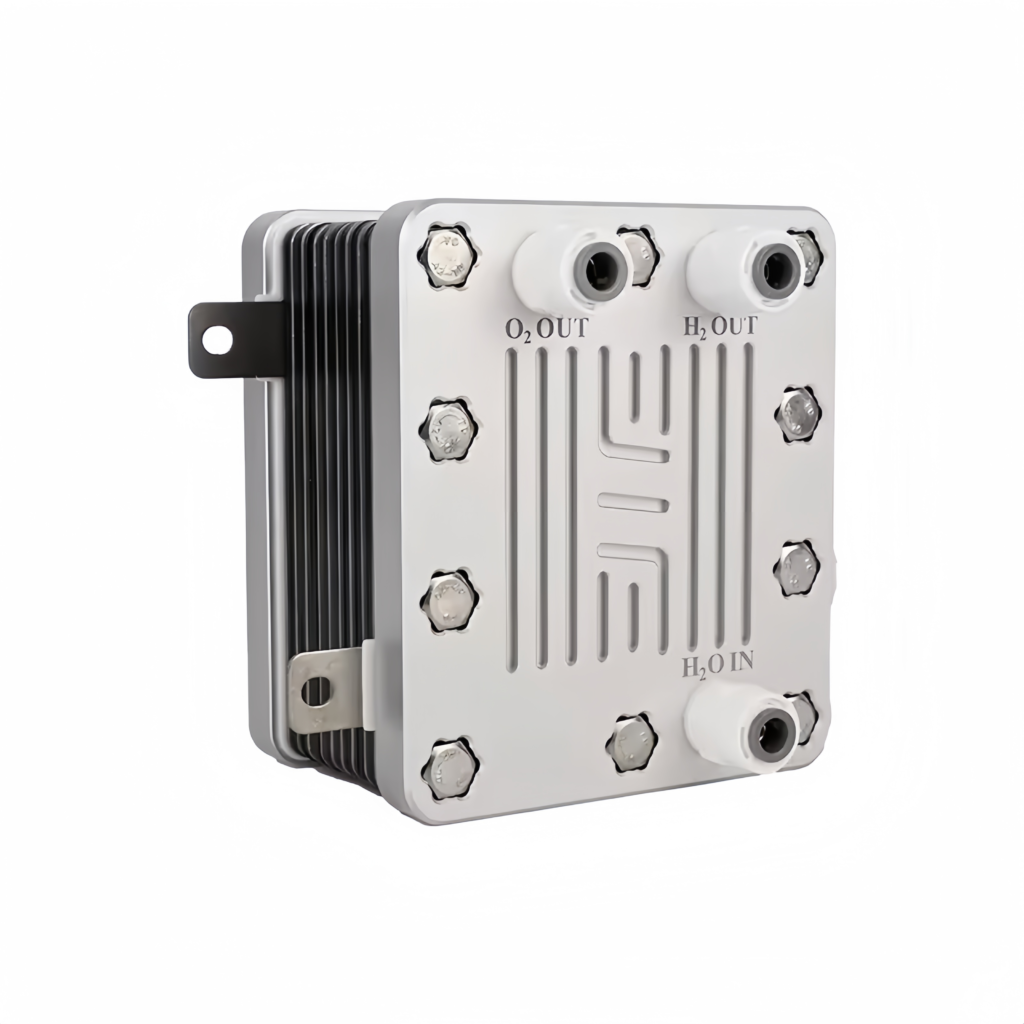
PEM electrolysis is widely used in modern hydrogen production systems and has several major advantages over alkaline electrolysis.
Pure Water Electrolysis
First, PEM systems use pure water electrolysis.
That means you do not need to add alkaline chemicals.
The machine simply uses purified water to generate hydrogen.
This has several benefits:
- Cleaner operation
- Lower maintenance
- More stable performance
From a user’s perspective, it’s simply easier to operate.
Hydrogen and Oxygen Are Fully Separated
One of the biggest advantages of PEM technology is gas separation.
In PEM electrolysis, hydrogen and oxygen are separated by a specialized membrane.
This means the machine produces pure hydrogen gas instead of mixed gas.
The difference is huge.
Hydrogen Purity Can Reach 99.999%
High-quality PEM hydrogen generators can produce hydrogen with purity levels up to 99.999%.
That level of purity is one reason PEM systems are used in:
- scientific equipment
- laboratory hydrogen generation
- industrial hydrogen production
- high-end hydrogen therapy devices
For therapy equipment, this higher purity provides more consistent hydrogen delivery.
Better Safety Design
Because PEM systems separate hydrogen and oxygen gases, they are generally considered safer from a system design perspective.
The separated gas pathways reduce the risks associated with mixed hydrogen-oxygen gas.
Most modern PEM hydrogen therapy machines also include additional safety systems such as:
- pressure monitoring
- temperature control
- automatic shutdown protection
These features add to the cost but significantly improve reliability.
Longer Lifespan
Another key difference is durability.
PEM electrolysis systems are typically designed for long-term operation.
With proper use and maintenance, PEM-based hydrogen therapy machines can operate for many years.
That’s why many buyers who initially focus on price eventually shift their attention to total cost of ownership.
The upfront investment may be higher, but the machine often lasts longer and requires less maintenance.
Quick Comparison: Alkaline vs PEM Hydrogen Machines
Here’s a simple side-by-side comparison.
| Feature | Alkaline Electrolysis | PEM Electrolysis |
|---|---|---|
| Water type | Requires alkaline solution | Pure water only |
| Gas separation | Hydrogen & oxygen mixed | Fully separated |
| Hydrogen purity | Lower | Up to 99.999% |
| Maintenance | Higher | Lower |
| Lifespan | 1–2 years typical | Much longer |
| Safety design | Lower | Higher |
| Price | Lower upfront | Higher upfront |
This table explains most of the price difference you see in the market.
Why Cheap Hydrogen Machines Can Cost More Later
Let me share something I’ve seen many buyers learn the hard way.
A machine that costs half the price doesn’t always cost half as much in the long run.
Sometimes it costs more.
Here’s why.
Cheap machines often lead to:
- frequent maintenance
- lower durability
- inconsistent performance
- component replacement
- downtime
And when a machine breaks down after 12–18 months, the buyer often ends up replacing it entirely.
In contrast, higher-quality PEM systems tend to operate more consistently over time.
So while the initial purchase price is higher, the long-term operating cost may actually be lower.
This is why many experienced buyers eventually shift from asking:
“Which machine is cheapest?”
to asking:
“Which machine gives the best long-term value?”
What Buyers Should Look For When Comparing Hydrogen Therapy Equipment
If you’re comparing hydrogen therapy equipment, here are a few practical things to check.

Electrolysis Technology
Ask the supplier:
- Is this alkaline electrolysis or PEM electrolysis?
- Is hydrogen and oxygen separated?
This single question tells you a lot about the machine.
Hydrogen Purity
Ask for the hydrogen purity level.
High-end machines often advertise 99.999% hydrogen purity.
If a supplier cannot explain the hydrogen purity clearly, that’s a red flag.
Maintenance Requirements
Ask about:
- electrolyte replacement
- internal cleaning
- expected maintenance cycle
Machines requiring alkaline solution will usually require more maintenance.
Expected Lifespan
A good supplier should be able to explain the expected operating life of the electrolysis system.
Short lifespan is often a hidden cost in cheaper equipment.
Safety Features
Look for machines that include safety protections such as:
- automatic shutdown
- pressure protection
- temperature monitoring
- gas separation
These systems are especially important for hydrogen equipment.
Final Thoughts
Hydrogen therapy equipment prices vary widely because the machines are built using very different technologies.
Low-cost machines typically use alkaline electrolysis, which mixes hydrogen and oxygen gas, requires alkaline solution, produces lower-purity hydrogen, and often requires more maintenance and replacement.
Higher-end machines use PEM electrolysis, which separates hydrogen and oxygen, produces hydrogen with purity up to 99.999%, operates with pure water, and generally offers better safety, durability, and long-term reliability.
So when you’re comparing hydrogen therapy equipment, the real question isn’t simply the price.
The real question is what technology you’re buying — and what it will cost you over time.