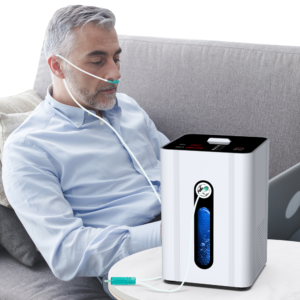

Yes, you can import hydrogen devices from China. But whether the shipment clears smoothly or turns into a customs headache depends on three boring-but-important things: how the product is classified, what certifications your market expects, and whether the device is treated as dangerous goods in transit.
I’m going to walk you through the practical stuff I’d want to know before sending a deposit: certificates, tariffs, shipping risks, and the supplier documents that separate a clean import from a very expensive surprise.
Importing hydrogen devices from China is usually possible, but the real issue is compliance. Importers need the right HS code, market-specific certifications, accurate customs documents, and a shipping plan that accounts for lithium batteries, radio modules, or pressurized hydrogen parts.
This is one of those categories where “hydrogen device” sounds simple but absolutely isn’t. A hydrogen water bottle, a tabletop generator, and a fuel-cell-adjacent gadget can trigger very different rules, so let’s untangle it before you import the wrong thing.
What importers should know before buying hydrogen devices from China
The first thing I’d do is ignore the marketing and look at the physical product. Customs and regulators do not care that the Alibaba listing says “smart hydrogen wellness bottle” in a very soothing font. They care what it actually is: an electrical appliance, a battery-powered consumer device, a radio device, a pressure-containing product, a water-related product, or in some cases a medical device if the claims go too far.

That matters because there is no single “hydrogen device import rule.” The required documents, duty rate, and shipping restrictions depend on the tariff classification and product features. In the EU, tariff classification drives both duty and any related import requirements, and customs authorities can issue Binding Tariff Information decisions that are valid across the EU for three years. In the U.S., CBP also issues binding rulings so importers can get clarity before shipping.
So the practical answer is this: importers should classify first, verify certificates second, and only then book freight. Do it in that order and you look organized. Do it backwards and you’re basically asking customs to improvise on your behalf, which is not a great business strategy.
Start with the device type, not the keyword
In real life, most hydrogen-device imports fall into one of a few buckets.
A simple non-wireless electrical unit is usually treated like ordinary electrical/electronic equipment. Add Bluetooth or Wi-Fi and you’ve just invited radio-equipment rules into the room. Add a lithium battery and transport compliance becomes a bigger deal. Add a pressurized hydrogen chamber or gas cartridge and the product may move from “annoying paperwork” to “specialized dangerous-goods shipment.”
That’s why I’d ask a supplier for a full bill of materials and internal photos before I worry about price. I want to know: Does it contain a lithium-ion battery? Does it emit radio frequency? Does it store hydrogen under pressure? Does it touch drinking water? Does it make medical or therapeutic claims? Those answers tell you what compliance lane you’re actually in.
The certificates you may need in your local market
This is the part many importers miss. A supplier saying “we have CE” is not the same thing as the product actually meeting the right EU rules, and a random test report PDF is not a substitute for a proper compliance file.
For the EU, many hydrogen devices sold as consumer electronics will need CE-related compliance under one or more product rules. The most common ones are the Low Voltage Directive, EMC requirements, and RoHS for electrical/electronic equipment. If the product has Bluetooth, Wi-Fi, or any radio function, the Radio Equipment Directive can apply instead of treating it as just a plain electronic gadget. Importers in the EU are also expected to ensure the product is compliant and properly documented before placing it on the market.
If the device contains batteries, the EU battery framework also matters. The European Commission notes that the new Batteries Regulation entered into force on 17 August 2023, and battery-related obligations are replacing the old directive framework. On top of that, electrical products sold into the EU can also trigger WEEE obligations, which means producer responsibility and local registration issues may show up after import, not just at customs.
If the hydrogen device includes a pressure-containing component above 0.5 bar, the EU’s Pressure Equipment Directive can become relevant. That is one of those details that tends to hide in the engineering file while the sales rep keeps talking about “premium wellness technology.”
For the U.S., there usually is not a universal pre-import “certificate” in the way many people imagine. Instead, the applicable rules depend on the product. If it has radio functionality, the FCC says RF devices must be properly authorized before they are marketed or imported, and Bluetooth/Wi-Fi devices generally need Certification. Non-wireless electronic devices may be authorized through Certification or Supplier’s Declaration of Conformity depending on the device type.
FDA issues can appear if the product is a medical device, a radiation-emitting product, or is marketed with medical claims. So if a supplier describes the device as curing, treating, or preventing conditions, I’d slow down immediately and verify whether I’m walking into FDA territory. That is a very different import project from bringing in a consumer gadget.
Tariffs and duties: there is no one-size-fits-all number
This is the part people want me to reduce to one neat sentence, but customs stubbornly refuses to cooperate.
Your tariff rate depends on the product’s HS/HTS/TARIC classification, not on the fact that the product is “hydrogen-related.” In the U.S., the Harmonized Tariff Schedule is the governing tariff source. In the EU, TARIC is the official tariff database, and Access2Markets is the practical tool for checking duties, taxes, procedures, and product requirements.
If you are importing from China into the U.S., you also need to think about additional trade measures, especially whether the tariff line is subject to Section 301 duties. CBP’s guidance makes clear that Chinese-origin goods under covered HTS classifications can face those additional duties. That means your landed cost can change a lot depending on the exact classification.
That’s why I would never accept a supplier’s suggested HS code without checking it. Suppliers often pick codes that make their export paperwork easier, not codes that best protect your margin or survive customs scrutiny. If the product is new or unusual, get a binding ruling from CBP or a BTI decision in the EU before scaling up. That one step can save an absurd amount of pain later.
Logistics is where “easy to import” goes to die
A hydrogen device may look tiny and harmless on a product page. Logistics sees it differently.

If the device contains lithium batteries, transport rules kick in. UNECE’s Manual of Tests and Criteria requires lithium cells and batteries to pass the UN 38.3 transport tests before shipment, and IATA’s dangerous-goods framework is the airline standard used for air shipments. In plain English: if the battery paperwork is weak, the cargo may be delayed, rejected, or reclassified by the carrier.
If the product stores hydrogen under pressure, things get more sensitive. Pressure-containing goods can fall under specialized safety and transport handling requirements, and not every forwarder wants the job. That doesn’t automatically make the product impossible to import, but it often makes air freight harder, documentation heavier, and carrier acceptance pickier.
So my rule of thumb is simple. If it is battery-powered, ask for the UN 38.3 report and battery specs before booking. If it contains wireless functions, confirm the compliance path before it leaves the factory. If it contains pressurized hydrogen or cartridges, talk to a freight forwarder before you pay the balance, not after your supplier says, “Don’t worry friend, shipping no problem.” That sentence has funded many unnecessary customs lessons.
The paperwork I’d demand from the supplier
Before shipment, I’d want a clean document pack. Not because I enjoy paperwork, but because customs absolutely does.
At minimum, I’d ask for the commercial invoice, packing list, and transport document. For the EU, I’d also want the EU Declaration of Conformity, the test reports that support it, product labeling samples, battery information if applicable, and confirmation of any WEEE or battery-registration responsibilities. Access2Markets specifically points importers to customs documents, EORI registration, and product requirements as part of EU clearance.

For battery-powered products, I’d ask for the UN 38.3 test summary/report, SDS if relevant to the transport setup, watt-hour details, and packaging details. For U.S. imports with radio functions, I’d ask for the FCC authorization records and product identifiers. For EU imports with radio functions, I’d check RED compliance and technical documentation support.
And I would compare every document against the product photos and packaging. If the invoice says “electrolysis bottle,” the carton says “medical hydrogen inhaler,” and the FCC report is for a different model number, that shipment is trying to tell you something. Usually something expensive.
A practical way to decide if the product is worth importing
Here’s the simple filter I’d use.
First, can I classify it confidently? If no, stop and get a ruling or specialist broker view. Second, can the supplier prove compliance for my destination market with model-specific documents? If no, stop again. Third, can my forwarder move it under the actual transport conditions involved? If the answer is “maybe,” that really means “not yet.”
Only after those three answers are solid would I calculate landed cost. That cost should include product price, freight, insurance, customs clearance, import duty, VAT/sales tax, possible Section 301 exposure in the U.S., labelling or registration work, and the cost of returns or disposal if the batch fails compliance. The official tariff tools exist for a reason: guessing here is how margins disappear.
My bottom-line advice
Importing hydrogen devices from China is absolutely doable. But it is not a category where I’d rely on supplier promises, generic “CE certificates,” or a freight quote that was built before anyone asked what was inside the product.
If you want the practical path, it’s this: identify the exact device configuration, confirm the right tariff classification, verify destination-market compliance, and pressure-test the shipping plan before production finishes. That’s the boring grown-up version of importing, and unfortunately it’s also the version that keeps your goods moving instead of sitting in a warehouse while everyone blames everyone else.